
5s
+1
Submission successful!
|
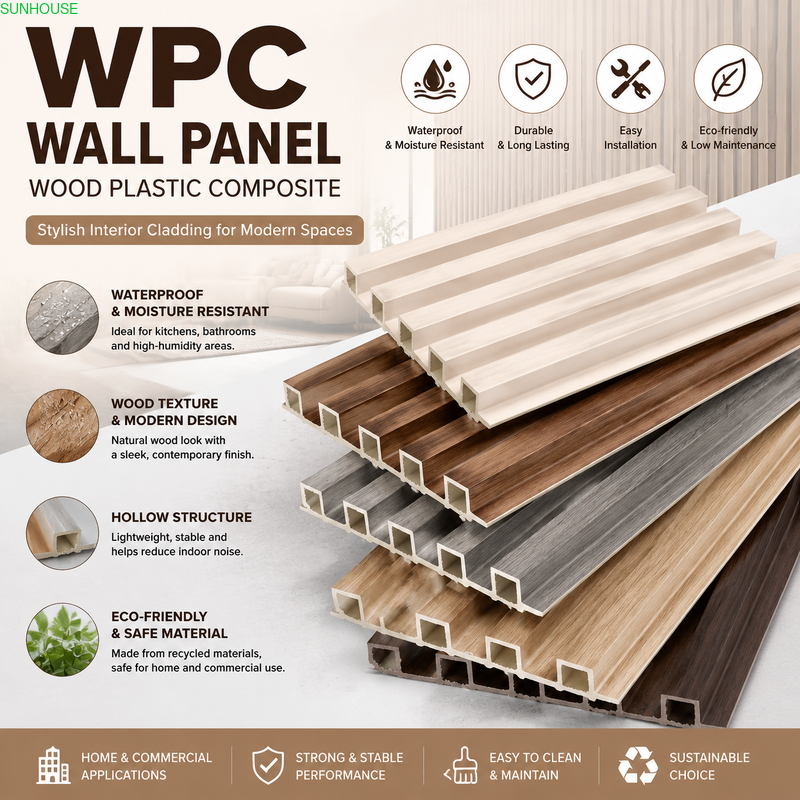
| ชื่อแบรนด์: | SUNHOUSE |
| เลขรุ่น: | WPC-08 |
| ปริมาณการสั่งซื้อขั้นต่ำ: | 200㎡ |
| เงื่อนไขการจ่ายเงิน: | ที/ที |
แผ่นผนังภายใน WPC จากซัพพลายเออร์หลายรายอาจดูคล้ายกันในรูปถ่ายผลิตภัณฑ์ แต่องค์ประกอบของวัสดุ ความหนาของผนัง ความแข็งแรงของโครงสร้าง ผิวสำเร็จของพื้นผิว และความเสถียรของมิติอาจแตกต่างกันอย่างมีนัยสำคัญ สำหรับผู้จัดจำหน่าย ผู้รับเหมา และผู้ซื้อโครงการ การประเมินรายละเอียดเหล่านี้ก่อนซื้อจำนวนมากจะช่วยลดความเสี่ยงของการเสียรูป พื้นผิวลอก ความแตกต่างของสี และปัญหาในการติดตั้ง
การประเมินคุณภาพที่เชื่อถือได้ควรมุ่งเน้นไปที่โครงสร้างแผงที่สมบูรณ์และความสม่ำเสมอในการผลิตจริงแทนที่จะเปรียบเทียบราคาหรือน้ำหนักสินค้าเพียงอย่างเดียว
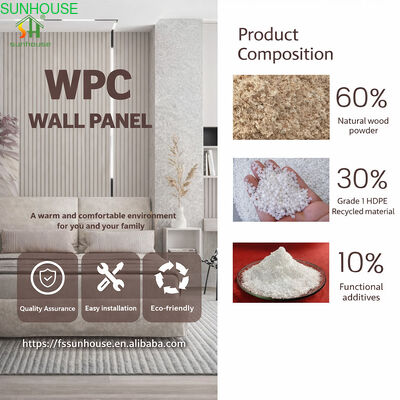
แผ่นผนัง WPC โดยทั่วไปผลิตจากส่วนผสมของเทอร์โมพลาสติกเรซิน ผงไม้ แคลเซียมคาร์บอเนต และสารเติมแต่งที่ใช้งานได้ คุณภาพและสัดส่วนของวัสดุเหล่านี้ส่งผลโดยตรงต่อความแข็งแรงของแผง ความยืดหยุ่น กลิ่น คุณภาพพื้นผิว และความเสถียรของมิติในระยะยาว
แผ่นผนังร่อง WPC สำหรับตกแต่งส่วนใหญ่ใช้การออกแบบแกนกลวงเพื่อสร้างสมดุลระหว่างความแข็งแรง น้ำหนัก และราคา ผู้ซื้อควรตรวจสอบความหนาของผนังด้านนอก ซี่โครงภายใน ขอบล็อค และพื้นที่ร่อง ส่วนที่บางหรือไม่สม่ำเสมออาจแตกร้าวระหว่างการติดตั้งหรือเสียรูประหว่างการขนส่ง
ตรวจสอบว่าผนังด้านหน้า ด้านหลัง และด้านข้างมีความหนาสม่ำเสมอหรือไม่ ผนังด้านนอกที่บางมากสามารถลดความต้านทานแรงกระแทกและประสิทธิภาพในการยึดสกรูได้
ซี่โครงเสริมแรงควรตรง กระจายเท่าๆ กัน และเชื่อมต่อกับผนังด้านนอกอย่างแน่นหนา โดยไม่มีช่องว่างที่ชัดเจนหรือส่วนที่ยุบ
ข้อต่อแบบลิ้นและร่องหรือแบบคลิกไม่ควรแตกหักง่ายเมื่อแผงถูกต่อ แยกออก หรืองอเล็กน้อยด้วยมือ
ตัดตัวอย่างจากตำแหน่งการผลิตที่แตกต่างกัน และเปรียบเทียบโครงสร้างหลักเพื่อหาช่องว่าง การอัดขึ้นรูปที่ไม่สม่ำเสมอ การปนเปื้อน หรือรูปร่างของเซลล์ที่ผิดปกติ
น้ำหนักแผงมีประโยชน์ในการตรวจสอบความสอดคล้องในการผลิต แต่ไม่ควรใช้เป็นมาตรฐานคุณภาพเพียงอย่างเดียว ผู้ซื้อควรเปรียบเทียบผลิตภัณฑ์ที่มีขนาด โครงสร้างโปรไฟล์ และพื้นผิวที่เหมือนกัน น้ำหนักที่คงที่ของตัวอย่างหลายๆ ตัวอย่างมักจะมีความสำคัญมากกว่าน้ำหนักสูงสุดที่เป็นไปได้
| รายการตรวจสอบ | สิ่งที่ต้องตรวจสอบ | ความเสี่ยงด้านคุณภาพที่เป็นไปได้ |
|---|---|---|
| น้ำหนักแผงเดียว | เปรียบเทียบแผงจากชุดการผลิตเดียวกัน | ความแตกต่างอย่างมากอาจบ่งบอกถึงการอัดขึ้นรูปหรือการป้อนวัสดุที่ไม่เสถียร |
| น้ำหนักกับความแข็งแกร่ง | ทดสอบการโค้งงอและทนต่อแรงกระแทกพร้อมน้ำหนัก | แผงที่มีน้ำหนักมากอาจยังเปราะได้หากมีสารตัวเติมแร่ธาตุมากเกินไป |
| ขนาดโปรไฟล์ | ยืนยันความกว้าง ความหนา ความยาว และความครอบคลุมที่มีประสิทธิภาพ | ความแตกต่างของมิติอาจส่งผลต่อปริมาณโครงการและการจัดแนวการติดตั้ง |
| ความสม่ำเสมอของแบทช์ | วัดหลายแผงจากกล่องที่แตกต่างกัน | น้ำหนักที่ไม่สอดคล้องกันอาจทำให้ความแข็งแรงและประสิทธิภาพการติดตั้งไม่เท่ากัน |
การตกแต่งพื้นผิวส่งผลต่อทั้งรูปลักษณ์และอายุการใช้งานของแผ่นผนังภายใน WPC การตกแต่งทั่วไป ได้แก่ การเคลือบฟิล์ม PVC การปั๊มร้อน การห่อเพื่อการตกแต่ง และพื้นผิวที่อัดรีดร่วม ผู้ซื้อควรยืนยันการตกแต่งที่แน่นอน เนื่องจากผลิตภัณฑ์ที่มีลวดลายลายไม้คล้ายกันอาจมีระดับความต้านทานต่อการขีดข่วนและการยึดเกาะที่แตกต่างกัน
การเปลี่ยนแปลงสีเป็นหนึ่งในปัญหาที่พบบ่อยที่สุดในการสั่งซื้อแผงผนัง WPC ขนาดใหญ่ ความแตกต่างอาจมาจากชุดฟิล์มตกแต่ง สภาพการพิมพ์ สีของวัตถุดิบ การตั้งค่าอุณหภูมิ หรือวันที่ผลิต แผงที่ติดตั้งบนผนังเดียวกันโดยปกติควรมาจากชุดการผลิตที่ได้รับการยืนยันชุดเดียวกัน
| จุดควบคุม | ข้อกำหนดผู้ซื้อที่แนะนำ |
|---|---|
| ตัวอย่างสีที่ได้รับอนุมัติ | ลงนามหรือติดฉลากตัวอย่างสุดท้ายด้วยรหัสสี เสร็จสิ้น และวันที่อนุมัติ |
| สภาพแสง | เปรียบเทียบสีภายใต้แสงธรรมชาติกับแสงของโครงการที่ต้องการ |
| ชุดการผลิต | ขอชุดการผลิตหนึ่งชุดสำหรับแผงที่ใช้ในพื้นที่การติดตั้งเดียวกัน |
| ทิศทางลายไม้ | ตรวจสอบว่าแผงต้องบรรจุในแนวเกรนเดียวกันหรือไม่ |
| ปริมาณทดแทน | สั่งซื้อแผงเพิ่มเติมจากชุดเดียวกันเพื่อการซ่อมแซมหรือเปลี่ยนใหม่ในอนาคต |
แผง WPC ควรตั้งตรงพอสมควรเมื่อเก็บไว้บนพื้นผิวเรียบ การโค้งงอ การบิด หรือการเสียรูปของขอบอย่างรุนแรงอาจทำให้ข้อต่อแผงยากต่อการจัดแนว และอาจสร้างช่องว่างที่มองเห็นได้หลังการติดตั้ง
แผงอาจมีพื้นผิวที่สวยงามแต่ยังคงทำให้เกิดปัญหาในการติดตั้งหากโครงสร้างลิ้นและร่องหลวมเกินไป แน่นเกินไป หรือแตกหักง่าย ผู้ซื้อควรประกอบแผงหลายแผงก่อนที่จะอนุมัติตัวอย่าง
แผงที่เชื่อมต่อกันควรสร้างร่องตกแต่งที่ตรงและสม่ำเสมอโดยไม่มีความแตกต่างด้านความสูงที่มองเห็นได้ระหว่างแผงที่อยู่ติดกัน
ข้อต่อควรยึดแน่นแต่ไม่ควรใช้แรงมากเกินไปจนอาจทำให้ขอบล็อคร้าวระหว่างการติดตั้ง
ตรวจสอบว่าแผงติดตั้งด้วยกาว ตะปู สกรู คลิป ระแนงไม้ หรือโครงโลหะ
ตรวจสอบความพร้อมใช้งานและการจับคู่สีของแถบตกแต่งเริ่มต้น แถบปิดท้าย แถบปิดมุม และอุปกรณ์เสริมข้อต่อ
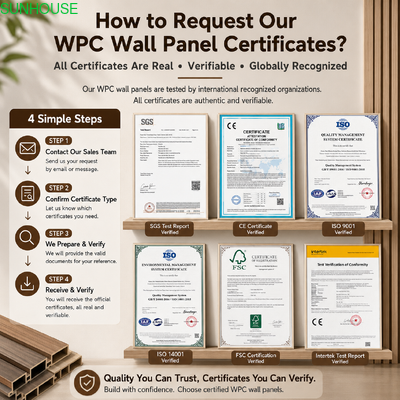
วัสดุตกแต่งภายในอาจอยู่ภายใต้ข้อกำหนดด้านสิ่งแวดล้อม ประสิทธิภาพการดับเพลิง หรือข้อจำกัดทางเคมี ขึ้นอยู่กับตลาดปลายทางและประเภทของโครงการ ผู้ซื้อควรขอเอกสารที่สอดคล้องกับสูตรผลิตภัณฑ์จริงและพื้นผิวที่ต้องการสั่งซื้อ
| พารามิเตอร์ | ข้อมูลเพื่อยืนยัน |
|---|---|
| วัสดุ | ไม้พลาสติกคอมโพสิต WPC และสูตรการผลิตที่ตกลงกัน |
| โปรไฟล์แผง | การออกแบบร่อง โครงสร้างกลวง และการเขียนแบบภาคตัดขวางที่ได้รับอนุมัติ |
| ขนาดโดยรวม | กว้าง × หนา × ยาว |
| ความคุ้มครองที่มีประสิทธิภาพ | ความกว้างครอบคลุมที่มองเห็นหรือติดตั้งตามจริงหลังจากการเชื่อมต่อแผง |
| น้ำหนักแผง | น้ำหนักที่ระบุที่ตกลงกันและความทนทานต่อการผลิตที่ยอมรับได้ |
| พื้นผิวเสร็จสิ้น | ฟิล์มพีวีซี การปั๊มความร้อน การห่อ การอัดรีดร่วม หรือการตกแต่งอื่น ๆ ที่ได้รับการยืนยัน |
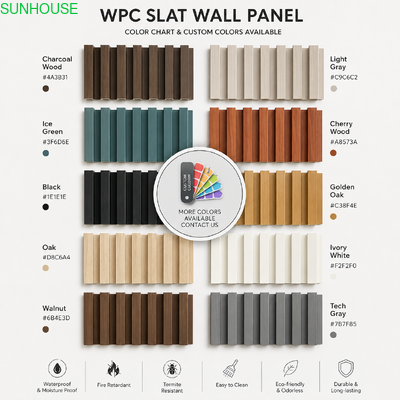
| การอ้างอิงสี | ตัวอย่างทางกายภาพที่ได้รับอนุมัติและรหัสสีของซัพพลายเออร์ |
| ระบบการติดตั้ง | กาว ตะปู สกรู คลิป ระแนง หรือระบบกรอบ |
| เครื่องประดับ | การตัดแต่งเริ่มต้น การตัดแต่งขั้นสุดท้าย มุมภายใน และมุมภายนอก |
| บรรจุภัณฑ์ | จำนวนชิ้นต่อกล่อง ฟิล์มกันรอย การป้องกันมุม และข้อกำหนดเกี่ยวกับพาเลท |
| มาตรฐานการตรวจสอบ | ตัวอย่างที่ได้รับการอนุมัติ ความคลาดเคลื่อนที่ยอมรับได้ และการจำแนกข้อบกพร่อง |
สาเหตุที่เป็นไปได้ ได้แก่ วัตถุดิบที่เปราะ สารเติมแร่ธาตุมากเกินไป ขอบล็อคบาง อุณหภูมิการติดตั้งต่ำ หรือมีแรงมากเกินไประหว่างการเชื่อมต่อ
การลอกออกอาจเป็นผลมาจากคุณภาพกาวที่ไม่ดี การเตรียมพื้นผิวไม่เพียงพอ การควบคุมการเคลือบที่อ่อนแอ หรือการยืดฟิล์มมากเกินไปรอบโปรไฟล์ที่ลึก
แผงอาจมาจากล็อตฟิล์มตกแต่งหรือชุดการผลิตที่แตกต่างกัน การควบคุมแบทช์และตัวอย่างทางกายภาพที่ได้รับอนุมัติเป็นสิ่งจำเป็นสำหรับโครงการขนาดใหญ่
ไม่จำเป็น. ควรประเมินความหนาร่วมกับโครงสร้างผนัง สูตรวัสดุ น้ำหนักแผง การออกแบบซี่โครง และข้อกำหนดในการติดตั้ง
แนะนำให้ใช้ตัวอย่าง แต่ผู้ซื้อควรขอโปรไฟล์การผลิตและการตกแต่งพื้นผิวที่แน่นอน ตัวอย่างการตกแต่งเล็กๆ น้อยๆ เพียงอย่างเดียวอาจไม่แสดงถึงคุณภาพโครงสร้างของแผงแบบเต็มจอ
เราจัดหาแผ่นผนังภายในร่อง WPC สำหรับผู้จัดจำหน่าย ผู้ค้าส่ง ผู้รับเหมา และโครงการเชิงพาณิชย์ ขนาด สี พื้นผิวลายไม้ บรรจุภัณฑ์ และอุปกรณ์ติดตั้งที่ตรงกันแบบกำหนดเองมีจำหน่ายสำหรับการสั่งซื้อจำนวนมาก
ติดต่อเราโดยระบุโปรไฟล์แผง ขนาด สี ปริมาณ และตลาดปลายทางที่คุณต้องการสำหรับตัวอย่าง ข้อมูลทางเทคนิค และราคาขายส่ง


 english
 français
 Deutsch
 Italiano
 Русский
 Español
 português
 Nederlandse
 ελληνικά
 日本語
日本語
 한국
한국
 العربية
 हिन्दी
 Türkçe
 indonesia
 tiếng Việt
 ไทย
ไทย
 বাংলা
বাংলা
 فارسی
فارسی
 polski